



By @memeburn
Jun 16, 2026
AI Boom Is Creating Jobs in the Trades—But Locking Out Junior Workers
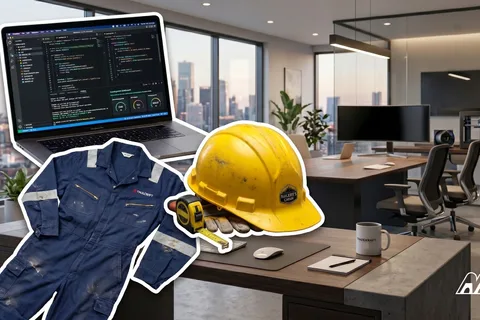
AI is creating jobs in places most people don’t expect — and quietly making it harder for new workers to break in. The boom is real, but the benefits aren’t spreading evenly. Here’s what’s actually changing in 2026 and why the debate is getting louder. Where AI Is Actually Creating Jobs AI isn’t only creating software roles. The boom needs physical infrastructure: new data centers, power systems, cooling facilities, and the construction crews to build them. That’s pushing up demand for hands-on work in ways most headlines miss. Meta is one of the clearest examples. The company launched a $115 million training program to prepare workers for AI infrastructure jobs. It’s free, runs for five weeks, requires no prior experience, and includes a guaranteed job for graduates. That’s not a tech company writing code. That’s a tech company hiring electricians and plumbers. The Jobs Nobody’s Talking About The obvious AI jobs are data scientists and machine learning engineers. But the real hiring pressure is showing up in the trades, keeping the AI economy physically running. Electrical workers are needed to wire massive facilities and manage high-power systems. Mechanical teams keep cooling and airflow working — data centers generate enormous heat and need constant temperature control. Plumbers are in demand because modern facilities run water and liquid cooling systems to support nonstop computing work. AI is no longer just a software story. It’s becoming an infrastructure story, and infrastructure has always needed people working with their hands. The Hiring Boom Has A Catch The labor picture isn’t straightforward. CNN, citing AIDE Institute research, found that most AI-related jobs posted by S&P 500 companies in January 2026 were aimed at experienced workers. Out of more than 161,000 LinkedIn postings, 71% were senior-level, 16% were mid-level, and only 13% were junior roles. That’s the real takeaway. That’s the catch. The AI hiring boom is largely benefiting experienced workers, not opening doors for people just starting out. Why The Math Doesn’t Always Work Out Companies adopting AI aren’t cutting headcount evenly across all levels. They’re cutting where the work is most repeatable—and that’s almost always at the junior end. The cost savings show up on paper, but they come from reducing the exact roles that used to be how people got their start. That means the 13% figure isn’t just a hiring stat. It’s a signal that companies are optimizing for output today while quietly shrinking the pipeline of experienced workers they’ll need tomorrow. Why Getting Started Is Getting Harder The sharpest concern in the current debate isn’t job losses. It’s the shrinking entry point into the industry. If AI handles more basic tasks, junior workers get fewer chances to learn on the job, build experience, and move up. That matters because every senior worker starts somewhere. Cut the bottom of the career ladder and the whole path up gets narrower for everyone coming after. The Experience Trap Companies want people who can move fast and work independently. What they’re less willing to invest in is the training time, mentoring, and early mistakes that come with bringing in beginners. That creates a frustrating loop: you need experience to get hired, but you need a job to get experience. For workers entering the industry right now, the most practical move is learning how AI fits into their work rather than ignoring it. Strong fundamentals combined with real tool literacy is what makes someone useful in ways AI can’t fully replace. How The Internet Is Reacting When @unusual_whales posted the CNN finding on X—”AI is sparking a job boom reserved for those with deep experience, not beginners”—it pulled 153,700 views and the replies went in two directions at once. Some pushed back on the doom framing. Curious beginners will always outpace complacent seniors, one reply argued. Others went with the classic line: AI supplements people, it doesn’t replace them. But the more grounded replies pointed at something harder to dismiss. Experienced workers are getting more capable with AI. Junior workers, many of them, aren’t keeping up. And someone asked the question the whole thread kept circling back to: if you need experience to get hired, you need a job to get experience. How does anyone actually get started anymore? Nobody had a clean answer. What Happens Next The hiring data is still early. But if 71% of AI roles stay senior-level, the industry is burning through its existing talent base without building a new one. That’s not a labor market problem. That’s a long-term skills shortage waiting to happen. AI is changing who gets hired, trained, and pushed out. The boom is creating real work in skilled trades and infrastructure — that part is genuine. But the 13% junior hiring figure is the number worth watching. If it doesn’t move, the next generation of senior workers has to come from somewhere. Right now, it’s not obvious where.
Source: Memeburn