



By Jeannine Mancini
Jun 01, 2026
Elon Musk Says We Used To Find Medicine Like Random Sticks In The Woods — Now We Can Program It Like An A
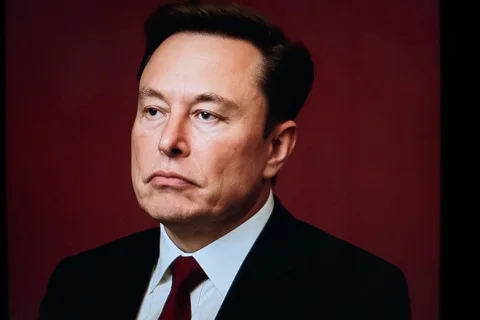
Biotech is starting to sound less like medicine and more like software, and SpaceX and Tesla CEO Elon Musk thinks that shift could become one of the biggest technological opportunities ahead. Musk said advances in synthetic RNA are pushing medicine toward something far more digital. Since we can now construct synthetic RNA, you can effectively think of the future of medicine as being digital, he said. If you just know what to program into that synthetic RNA strand, you can basically, I think, cure almost anything. That sounds wildly futuristic until realizing parts of the technology already exist in real-world medicine. Scientists can now synthesize custom RNA molecules designed to tell cells exactly what to do — produce proteins, suppress harmful genes, or trigger immune responses — without permanently altering DNA. Many therapies use modified messenger RNA, or mRNA, while others rely on small interfering RNA, known as siRNA, to silence specific genes linked to disease. The biotech industry's giant proof-of-concept moment arrived during the Covid pandemic. Vaccines like Spikevax and Comirnaty showed researchers that RNA-based therapies could be designed, manufactured, and deployed at speeds traditional pharmaceutical pipelines struggled to match. That success accelerated development pipelines across biotech. One approved example already on the market is Leqvio, an siRNA therapy that suppresses the PCSK9 gene in the liver and can lower cholesterol levels dramatically with just one or two doses annually. The broader shift Musk was describing is what excites so many researchers and investors. For decades, pharmaceutical development often relied on screening compounds and hoping scientists accidentally discovered something useful. RNA therapeutics increasingly allow researchers to engineer biological instructions with highly specific intended outcomes already in mind. Artificial intelligence is also speeding up development by helping optimize RNA sequences faster than traditional methods allowed. Researchers are experimenting with self-amplifying RNA, circular RNA, and personalized cancer vaccines designed around a patient's specific tumor profile. One of the most closely watched projects, Moderna and Merck's melanoma vaccine candidate mRNA-4157, has shown recurrence-free survival benefits in clinical trials when paired with immunotherapy. By mid-2025, more than 500 mRNA-related clinical studies were underway globally across infectious disease, oncology, cardiovascular medicine, and rare disease research. Even researchers bullish on RNA medicine caution that major scientific hurdles remain. Delivery continues to be one of the biggest challenges. Current systems work especially well in organs like the liver, but targeting tissues such as the brain, heart, and muscles safely and efficiently remains much harder. Many RNA therapies are also intentionally temporary, which improves safety but often requires repeat treatments. Researchers are still studying long-term immune effects, manufacturing consistency, and off-target reactions. Experts also caution that while the technology is advancing rapidly, full cure almost anything territory remains far away for many diseases, especially complex conditions involving multiple biological systems. Still, the pace of progress has been unusually fast compared with traditional drug development.
Source: Benzinga